November 18, 2026
Homeowners often overlook minor issues with their heating and cooling equipment until the problems escalate into costly repairs or full replacements. Understanding the warning signs of a struggling HVAC system can help you address issues before they become significant troubles, and knowing when to call experienced HVAC contractors is essential. This article explores the most common indicators that your system may be in distress and what you can do to mitigate the issues before your indoor comfort is compromised.
1. Hearing Unusual Noises
Identifying Banging Sounds
Banging noises in your HVAC system can be a serious concern for any homeowner. Such sounds usually indicate that there are loose or broken components within the unit, which can include parts like fan blades or internal connecting rods. Ignoring these noises can lead to further mechanical damage, increasing the repair cost and potentially causing safety hazards. To prevent the escalation of banging noises into more severe problems, it is essential to perform regular maintenance and inspections. It is always a good idea to consult qualified HVAC contractors who can accurately identify and resolve such issues promptly.
Addressing Clanking Sounds
The sound of clanking in an HVAC system can be unsettling, often suggesting issues with the blower or motor assembly. This noise can result from various causes, such as a dislodged fan blade or a failing motor. Addressing these issues early is crucial to maintaining the efficiency and longevity of your equipment. Clanking can also indicate that the unit is not securely mounted or that internal parts are wearing down. Regular maintenance checks can help catch these signs before they develop into more costly repairs, although only 30% of homeowners routinely schedule preventative maintenance, according to Workyard.
Detecting Hissing Sounds
Hissing sounds in your HVAC system should not be ignored, as they often denote refrigerant leaks or pressurized duct issues. These leaks can reduce the system's ability to cool or heat your home effectively, leading to increased energy consumption. Detecting hissing early can save you from extensive compressor damage and ensure your unit operates optimally. Besides energy inefficiency, refrigerant leaks can pose environmental hazards, so addressing them is a top priority. Consulting with skilled HVAC contractors who can provide a thorough diagnosis and repair plan is recommended when hissing noises are detected.
2. Experiencing Inconsistent Temperatures
Eliminating Hot and Cold Spots
Uneven heating or cooling, resulting in hot and cold spots throughout a home, is a common sign of potential HVAC issues. These inconsistencies can often be attributed to problems within the ductwork, including air leaks or physical blockages. Another possible cause is an improperly balanced system, affecting how conditioned air is distributed across different floors. It is crucial to address these issues promptly to maintain comfort and increase energy efficiency. Periodic inspections and airflow adjustments by professional HVAC contractors can ensure that all areas of your home receive consistent temperatures.
Fixing Thermostat Malfunctions
A malfunctioning thermostat is another factor contributing to temperature discrepancies within a home. Issues with the thermostat sensors or wiring can cause your system to misinterpret the indoor temperature, leading to inefficient heating or cooling cycles. To combat this, consider upgrading to a programmable thermostat that can help regulate temperatures more accurately. Regular checks and calibrations of the control unit can also ensure it is functioning correctly. Thermostatic issues should always be inspected and corrected properly to avoid further complications with your heating and cooling equipment.
Stopping Short Cycling
Short cycling, where the HVAC system frequently turns on and off in rapid succession, is a sign of inefficiencies that should not be overlooked. This problem can often be traced back to issues such as clogged air filters, improper system sizing, or low refrigerant levels. Not only does short cycling impact indoor comfort, but it also increases energy usage and accelerates wear on the compressor. Identifying and rectifying the root causes of short cycling can lead to significant cost savings and prolonged equipment life. Preventative maintenance plays a crucial role in catching early signs of short cycling.
3. Noticing High Energy Bills
Investigating Unexplained Usage Increases
One of the first signs of an HVAC system in distress can be unexplained increases in your monthly energy bills. Such spikes are often tied to hidden inefficiencies within the system, such as duct leaks, worn electrical components, or declining compressor performance. Monitoring your monthly energy consumption can provide early indications of trouble before a complete breakdown occurs. A sudden jump in energy use should prompt an immediate evaluation of your equipment's performance. Engaging reliable HVAC contractors can help diagnose underlying issues and propose targeted solutions for optimization and cost savings.
Improving Poor Maintenance Habits
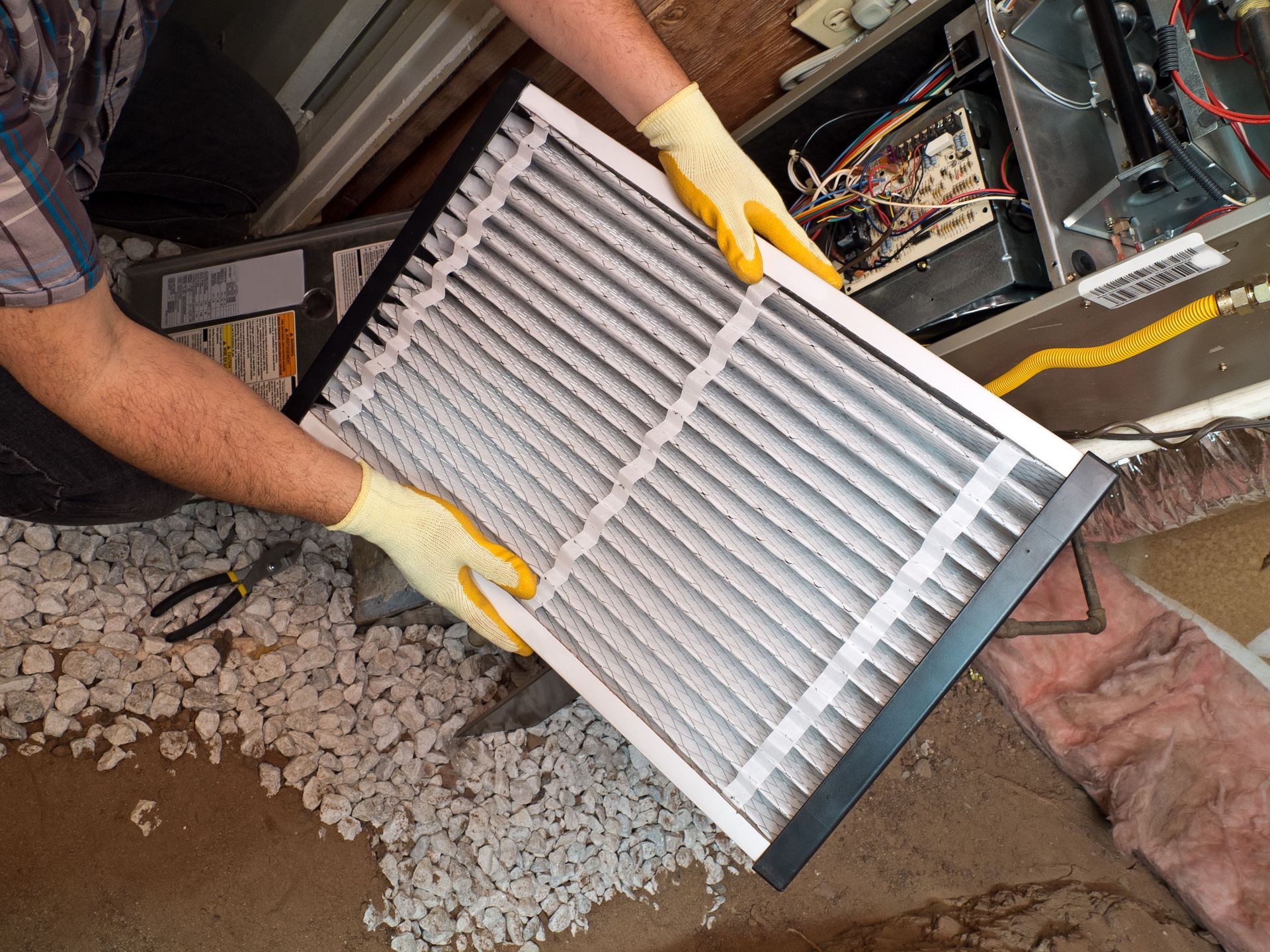
Poor maintenance is a leading contributor to higher energy consumption in residential HVAC systems. Without routine care, units accumulate dirt and develop mechanical friction that drives up power usage and leads to higher utility bills. Simple actions, such as regularly changing air filters and scheduling seasonal tune-ups, can reduce these inefficiencies significantly. Consistent attention to preventative care and timely minor repairs ensures optimal system performance year-round and keeps monthly operating expenses predictable.
4. Observing Air Quality Issues
Reducing Dust and Debris
Poor indoor air quality often manifests as excessive dust and debris circulating within your home, a common indicator of HVAC system issues. Ineffective filtration or clogged filters allow airborne particles to bypass the return grille, impacting both air cleanliness and internal coil efficiency. Regular filter changes and properly fitted filtration media are essential in mitigating this issue. Allowing dust and debris to accumulate weighs down system performance and can irritate respiratory pathways among household occupants.
Preventing Mold and Mildew
Excess moisture and inadequate drainage in an HVAC system can lead to mold and mildew growth inside the air handler or ductwork. These biological contaminants are undesirable due to their negative impact on respiratory health and potential damage to home surfaces. Condensate drain lines and internal coils must be inspected regularly for moisture buildup to ensure proper drainage and air circulation. Resolving excess moisture issues promptly protects both your indoor air quality and the structural integrity of your heating and cooling equipment.
Eliminating Strange Odors
Strange odors emitted from your vents should be regarded as urgent signals of underlying HVAC issues. Musty smells often indicate mold growth in damp ducts, while burning or electrical odors can point to overheated wiring or a failing blower motor. Odors signal air quality and safety concerns that should never be masked with air fresheners. Consulting knowledgeable HVAC contractors who can pinpoint the exact source of the odors and rectify the issue ensures the system continues to function safely and cleanly.
5. Dealing With Frequent Repairs
Resolving Recurring Breakdowns
Experiencing frequent repairs is a clear indicator of systemic failure within an aging or poorly installed HVAC unit. Recurring problems often signal that an underlying root cause was missed during previous quick fixes. Constant service calls not only create a financial burden but also suggest that major components are nearing the end of their operational lifespan. Engaging skilled HVAC contractors to thoroughly diagnose these recurring issues is critical to finding a permanent, cost-effective solution rather than relying on temporary patches.
Upgrading Outdated Technology
Older HVAC systems built with outdated technology require more frequent repairs and consume substantially more energy than modern variable-speed units. Advances in heating and cooling engineering have led to major improvements in reliability, smart diagnostics, and energy conservation. If your system breaks down every season, evaluating the benefits of a full upgrade makes financial sense. New systems deliver fewer unexpected breakdowns, quieter operation, and lower monthly utility costs.
Recognizing these warning signs early helps homeowners prevent sudden HVAC breakdowns, uncomfortable indoor temperatures, and expensive emergency replacements. Paying close attention to unusual noises, uneven rooms, rising utility bills, poor air quality, frequent repairs, and weak airflow allows you to catch minor issues while they are still manageable. If you notice any of these symptoms in your heating and cooling equipment, reach out to our HVAC contractors to inspect, diagnose, and restore your system to peak performance. Call AmBient Heating and Cooling today to speak with our HVAC contractors.