October 13, 2026
High energy bills can be frustrating, especially when your household habits have not changed and your heating and cooling system seems to be working normally. However, an HVAC system can consume more energy than necessary without showing obvious signs of trouble. Small inefficiencies throughout your equipment, ductwork, insulation, and thermostat settings can gradually increase monthly utility costs. Understanding what causes these problems makes it easier to recognize opportunities for improvement. With the right maintenance practices and professional guidance, homeowners can reduce wasted energy, improve indoor comfort, and get more value from their heating and cooling equipment.
Recognize the Signs of an Inefficient HVAC System
An inefficient heating and cooling system does not always break down or make unusual noises. Sometimes, the first indication of trouble is a gradual increase in electricity or fuel expenses. If your utility bills keep climbing despite similar weather conditions and everyday routines, your equipment may be working harder than necessary to maintain a comfortable indoor temperature.
Uneven temperatures throughout the home can also signal an efficiency problem. For example, one bedroom might feel noticeably warmer than the living room, while another area remains chilly during the winter. Frequent cycling, weak airflow, and unusually long operating periods may indicate that the system needs attention. Scheduling HVAC services can help identify underlying problems before they contribute to more significant energy waste or equipment damage.
Understand How Dirty Filters Increase Energy Consumption
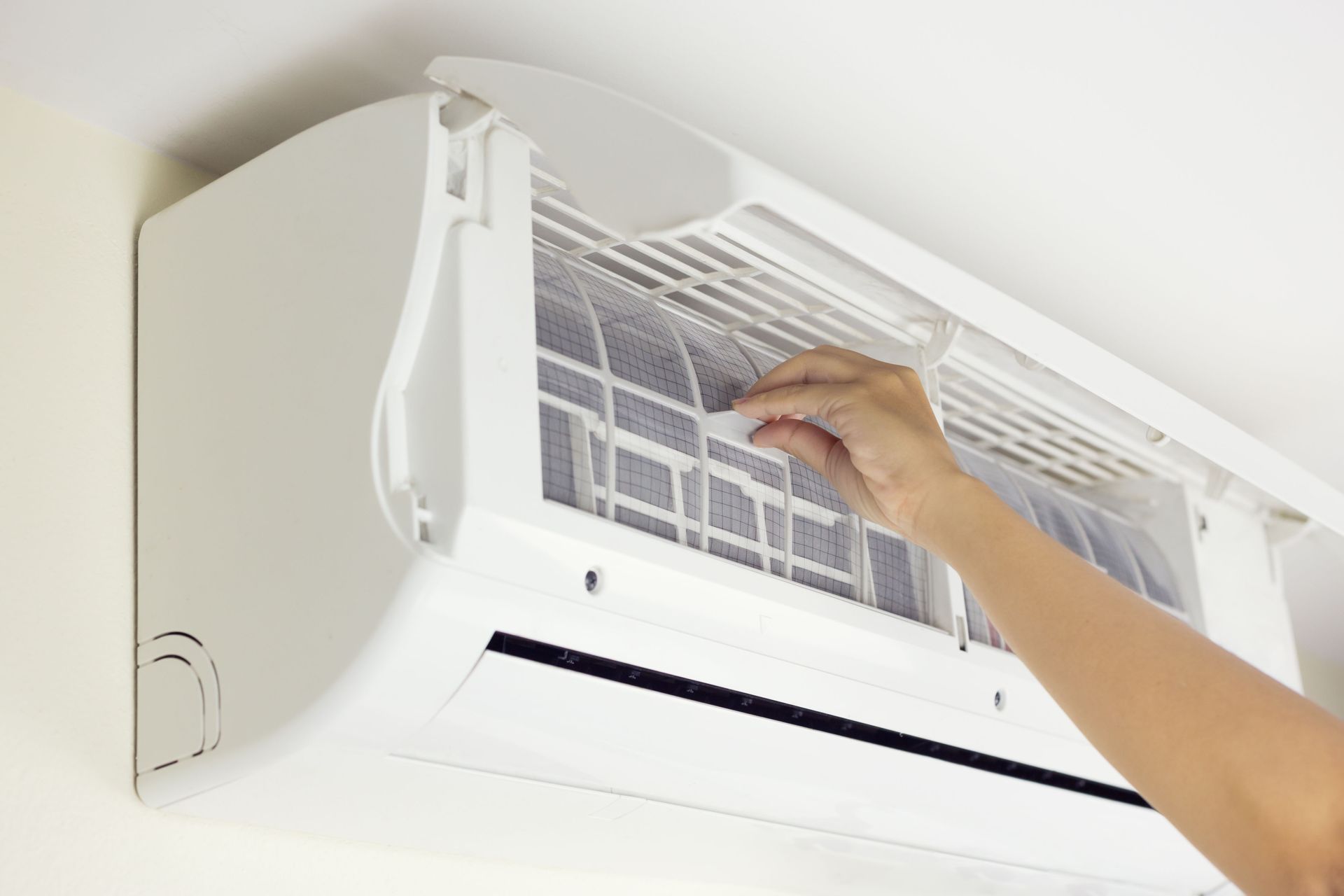
Air filters play an important role in maintaining indoor air quality and supporting efficient system operation. Over time, these filters collect dust, pet hair, pollen, and other airborne particles. When debris accumulates, airflow becomes restricted, forcing the system to work harder to circulate conditioned air throughout the house.
This additional strain can increase energy consumption while making it more difficult to maintain consistent temperatures. Neglected filters may also contribute to unnecessary wear on internal components. Checking the filter regularly and replacing it according to the manufacturer's recommendations can help maintain proper airflow. Homes with pets, frequent dust accumulation, or substantial indoor activity may require more frequent inspections.
Filter maintenance is a relatively simple step, but it cannot correct every efficiency problem. If replacing a dirty filter does not improve airflow or comfort, the cause could involve a blower issue, blocked vents, dirty coils, or another mechanical concern. A professional inspection can determine whether additional cleaning, adjustments, or repairs are needed to restore efficient operation.
Identify Problems Hidden Inside Your Ductwork
Your ductwork carries heated or cooled air from the HVAC equipment into different rooms. When ducts develop leaks, loose connections, crushed sections, or inadequate insulation, some conditioned air may never reach its intended destination. Instead, energy is spent heating or cooling areas where it provides little benefit, leaving the living spaces less comfortable.
According to ENERGY STAR's 2026 HVAC guidance, poorly sealed duct systems can lose as much as 30% of their efficiency, making duct condition an important factor when investigating heating performance. This type of loss can be especially frustrating because the equipment may continue running while much of its work fails to produce the expected indoor comfort.
Visible dust around vents, inconsistent room temperatures, and excessive dust accumulation can sometimes point toward ductwork concerns. However, these symptoms are not definitive proof of a leak. A qualified technician can evaluate the duct system, identify damaged connections, and recommend appropriate sealing or insulation improvements. Professional HVAC services can also help determine whether airflow restrictions or duct design problems are contributing to unnecessary energy use.
Improve Thermostat Settings and Daily Habits
Thermostat settings influence how frequently your system operates and how much energy it consumes. Setting the temperature significantly lower during summer or higher during winter can increase operating demands without necessarily making your home more comfortable. Finding a reasonable setting that suits your household can help balance comfort with energy conservation.
Programmable and smart thermostats offer additional opportunities to reduce unnecessary operation. These devices can adjust temperatures around work schedules, sleeping hours, and periods when the house is unoccupied. Instead of maintaining the same conditions throughout the day, homeowners can choose settings that better reflect when heating or cooling is actually needed.
Daily habits also affect energy use. Leaving exterior doors open, blocking supply vents with furniture, or frequently changing thermostat settings can make temperature control less consistent. Closing blinds during intense summer sunlight and using window coverings to retain warmth during colder weather can support the HVAC system. Small adjustments become more valuable when combined with proper equipment maintenance and a well-sealed home.
Maintain Equipment Before Problems Become Expensive
Routine maintenance helps keep heating and cooling equipment operating as intended. During a professional visit, a technician can inspect important components, check electrical connections, evaluate airflow, clean applicable parts, and identify developing issues. Addressing minor concerns early may prevent them from becoming larger repairs that disrupt comfort and increase operating costs.
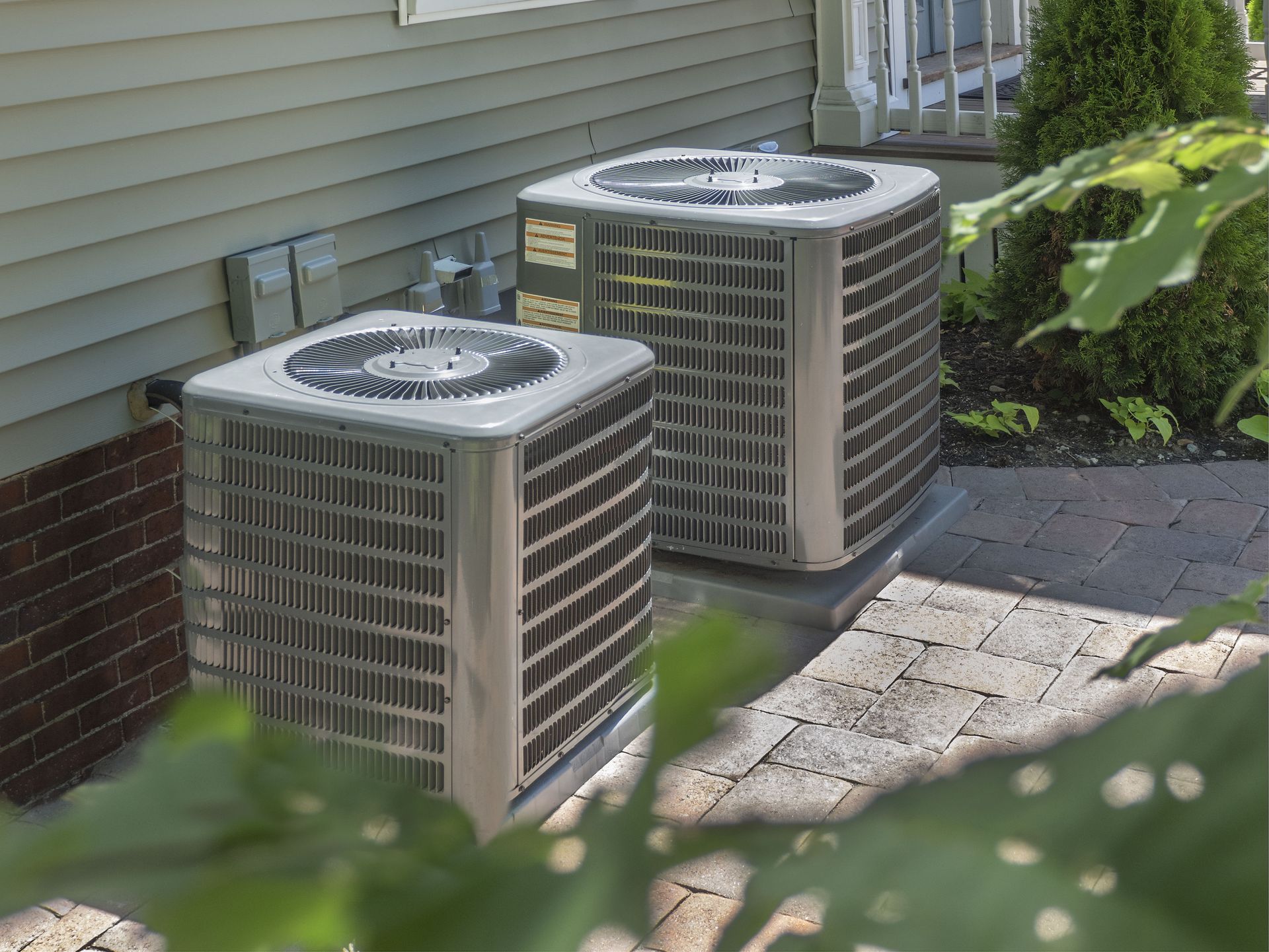
Outdoor units also need adequate airflow. Leaves, grass clippings, dirt, and other debris can accumulate around the equipment, restricting air movement and making heat transfer less effective. Keeping the surrounding area clear and following the manufacturer's cleaning recommendations can help support proper operation. Homeowners should avoid opening electrical compartments or attempting repairs that require specialized knowledge.
Maintenance is particularly important before periods of heavy seasonal use. A system that has operated for months without inspection may have worn components, refrigerant-related problems, or buildup that affects performance. A qualified technician can assess the equipment's condition and explain which services are necessary. Consistent care can improve reliability, help preserve equipment life, and reduce the likelihood of unexpected interruptions.
Evaluate When Repairs or Replacement Make Financial Sense
Some efficiency problems can be corrected through maintenance, sealing, component repairs, or thermostat adjustments. Others may indicate that the system is approaching the end of its useful life. Older equipment, repeated breakdowns, expensive repairs, and persistent comfort issues can make it worthwhile to compare the cost of continued maintenance with the potential benefits of replacement.
Before making a decision, consider more than the equipment's purchase price. Installation expenses, expected energy consumption, maintenance requirements, warranty coverage, and the system's suitability for your home all affect long-term value. A properly sized unit is essential because oversized equipment may cycle too frequently, while undersized equipment may struggle to maintain comfortable temperatures during extreme weather.
A professional assessment can help clarify whether repairs are likely to provide meaningful improvements or whether replacement deserves consideration. The evaluation should account for ductwork condition, insulation, household heating and cooling needs, and existing equipment performance. Investing in HVAC services based on the home's actual requirements can help homeowners avoid unnecessary upgrades while identifying changes that offer practical, lasting benefits.
High energy bills do not have to remain an unavoidable part of homeownership. By addressing restricted airflow, ductwork problems, inefficient thermostat settings, neglected maintenance, and aging equipment, homeowners can take meaningful steps toward controlling energy expenses.
Comparing utility bills across seasons can also reveal patterns that might otherwise go unnoticed. Keep records of energy use, maintenance visits, and repair costs to help identify recurring issues and measure whether efficiency improvements are delivering meaningful savings over time. Contact AmBient Heating and Cooling today to schedule an evaluation, uncover hidden efficiency problems, and take the first step toward a more comfortable home and lower utility bills.