A reliable heating and cooling system helps maintain comfortable indoor temperatures throughout the year. However, as equipment ages, homeowners may begin noticing uneven temperatures, rising energy bills, unusual noises, or more frequent service calls. While some problems can be resolved through repairs, others may indicate that replacing the existing equipment deserves consideration. Working with experienced HVAC contractors can help homeowners understand the condition of their current system and explore appropriate replacement options. A professional evaluation considers the equipment's age, operating condition, heating and cooling requirements, and compatibility with the home's existing setup. Replacing older equipment may also provide an opportunity to evaluate newer technologies that offer both heating and cooling capabilities. Before making a decision, homeowners should understand the warning signs, costs, and practical considerations associated with HVAC replacement. With careful planning, it becomes easier to determine whether continued repairs or a complete system change-out makes sense for the property.
Recognizing Frequent Equipment Breakdowns
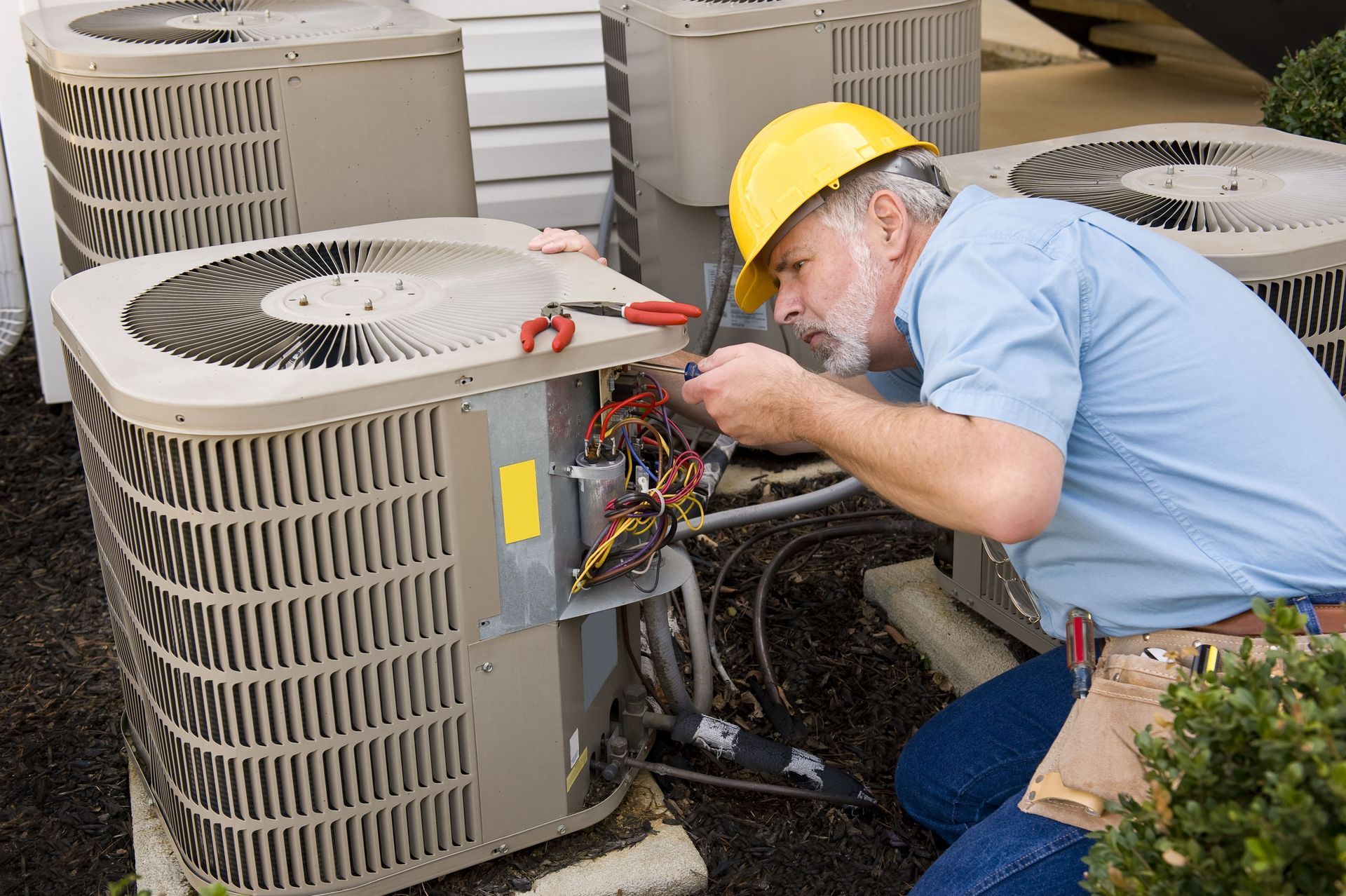
Frequent breakdowns can indicate that a heating and cooling system is experiencing significant wear. Homeowners may find themselves scheduling repeated service visits to address problems with motors, electrical components, refrigerant systems, or other essential parts. Although individual repairs may restore operation temporarily, recurring issues can become inconvenient and expensive over time. HVAC contractors can inspect the equipment, identify the causes of repeated failures, and explain whether repairs remain a reasonable option. The age of the system and the availability of replacement parts can also influence the decision. If several major components are deteriorating, replacing the equipment may be worth comparing with the cost of continued repairs. Homeowners should consider both immediate expenses and the likelihood of additional problems when evaluating their options. A professional assessment helps establish whether the existing system can continue meeting household comfort needs reliably.
Evaluating Rising Energy Bills
An unexplained increase in heating and cooling costs may indicate that existing equipment is no longer operating as efficiently as it once did. Dirty filters, blocked airflow, refrigerant problems, and worn components can all affect system performance. Changes in utility bills can also result from weather conditions, energy prices, thermostat settings, or differences in household use, so higher costs do not automatically mean replacement is necessary. HVAC contractors can evaluate the system's operating condition and identify problems that may be contributing to increased energy consumption. If the equipment is older, homeowners may also benefit from comparing its efficiency with that of suitable replacement options. Newer equipment may offer different efficiency ratings and operating features, although actual savings depend on the home and how the system is used. Reviewing maintenance history and utility costs can provide useful information when deciding whether to repair or replace the system. This approach allows homeowners to consider replacement based on observed performance rather than assumptions alone.
Addressing Uneven Indoor Temperatures
A comfortable home should generally maintain temperatures that suit the needs of its occupants across different rooms and living areas. When some spaces remain too warm while others feel too cold, the cause may involve airflow restrictions, ductwork problems, thermostat placement, insulation, or equipment performance. These issues do not always require a complete system replacement, making a proper evaluation an important first step. HVAC contractors can investigate whether the problem originates with the equipment or another part of the home's heating and cooling setup. They may recommend adjustments, repairs, or further testing before discussing replacement. If an aging system cannot adequately meet the home's heating and cooling demands, new equipment may be worth considering. Homeowners should also discuss whether the existing ductwork is suitable for the proposed replacement. Identifying the cause of inconsistent temperatures helps ensure that any solution addresses the actual problem rather than just its symptoms.
Considering the Age of Existing Equipment
Heating and cooling equipment experiences wear through repeated operation, seasonal temperature changes, and regular exposure to environmental conditions. As a system gets older, certain components may become more susceptible to failure, and replacement parts may become harder to obtain. Age alone does not determine whether equipment should be replaced, because maintenance history, operating performance, and repair requirements also matter. HVAC contractors can assess the system's condition and help homeowners understand its remaining practical usefulness. They can also explain whether the current equipment continues to meet the property's heating and cooling requirements. When replacement becomes appropriate, homeowners have an opportunity to compare compatible systems and consider available efficiency features. It is important to evaluate the home's existing configuration rather than assuming a new unit can be installed without additional assessment.
Exploring Heat Pump Replacement Options
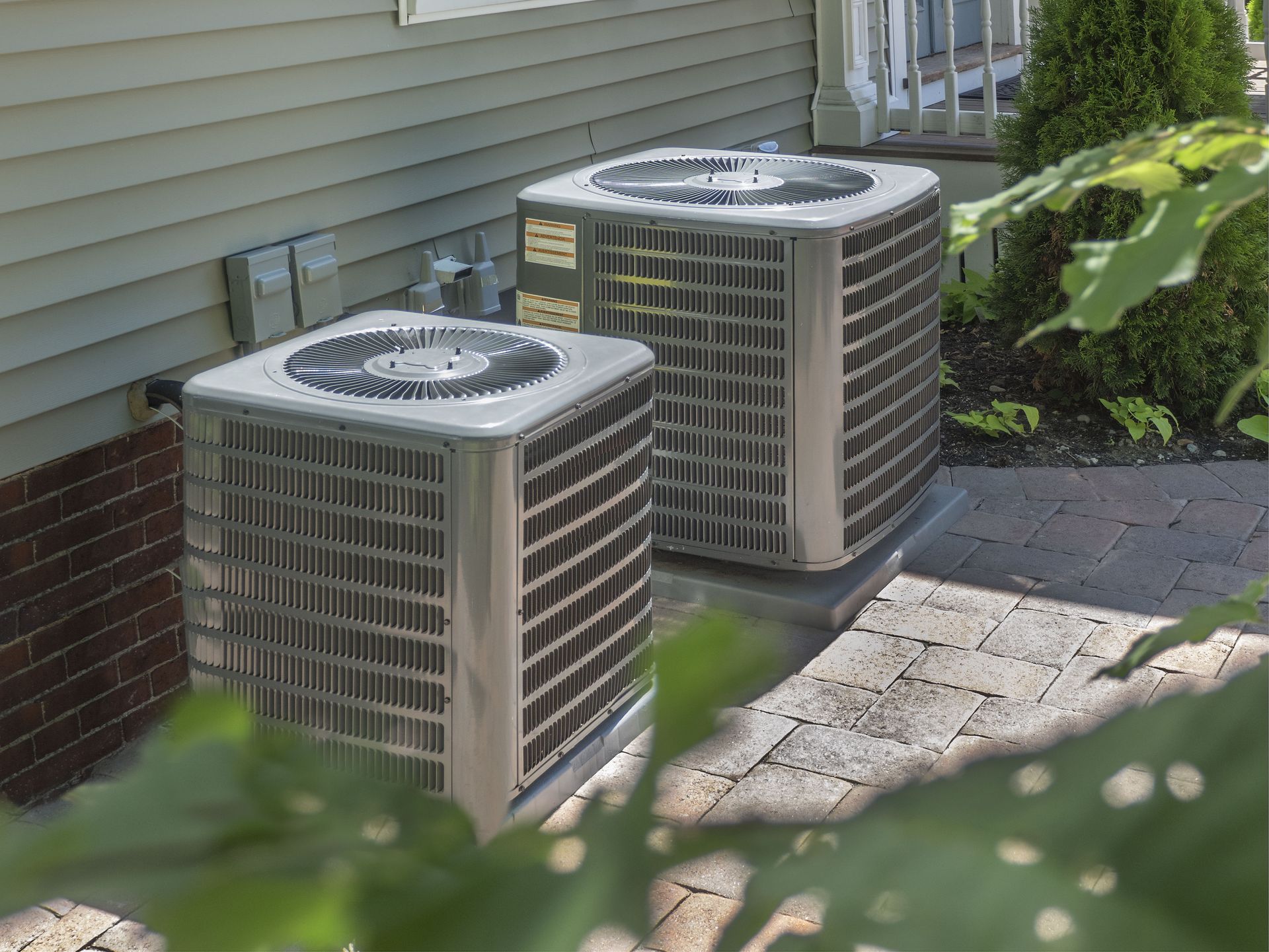
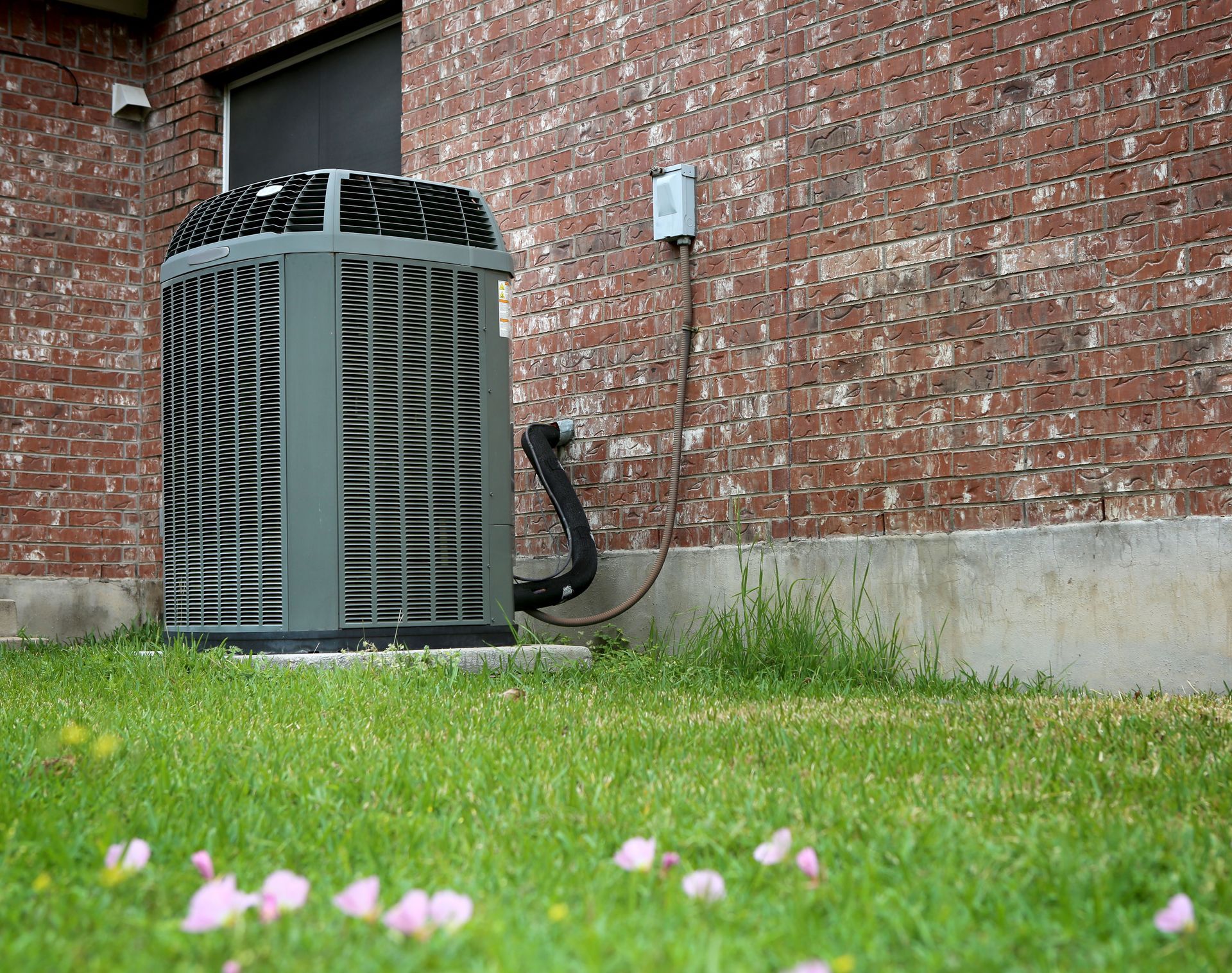
A heat pump can provide both heating and cooling by transferring heat between the home and the outdoor environment. During warmer months, it moves heat outside, while during colder weather, it transfers available heat indoors. This versatility makes heat pumps a possible replacement option for some homes with existing heating and cooling equipment. According to the U.S. Energy Information Administration, central air conditioning or a central heat pump serves as the primary air-conditioning equipment in approximately two-thirds of U.S. households. This illustrates the widespread role of these systems in residential temperature control. However, a heat pump is not automatically suitable for every home, and replacement decisions should account for local climate, existing equipment, and household heating and cooling demands. A professional evaluation can determine whether the current system configuration can accommodate a heat pump change-out and whether any modifications may be needed.
Comparing Repair Costs With Replacement Expenses
Deciding whether to repair or replace heating and cooling equipment often requires balancing immediate costs against potential future expenses. A relatively minor repair may be appropriate when the system is otherwise operating reliably and meets the home's needs. However, repeated service calls or major component failures can make continued repairs less practical. HVAC contractors can explain the problem, outline the recommended work, and provide information about replacement options when appropriate. Homeowners should compare the estimated repair cost with the cost of replacement, while also considering equipment age, operating performance, and anticipated maintenance requirements. Other factors may include installation needs, available warranties, and the efficiency ratings of replacement equipment. Obtaining a clear written estimate can help homeowners understand what each option includes.
Preparing for a Professional System Assessment
Before replacing existing equipment, homeowners should understand the requirements of their property and the condition of the current system. A professional assessment can review heating and cooling loads, insulation, windows, ductwork, and other factors that influence equipment selection. Proper load calculations are important because the size of the replacement system should reflect the home's actual requirements. Simply choosing equipment with the same capacity as the old unit may not provide the right match. HVAC contractors can also evaluate whether existing electrical connections, refrigerant lines, and other components are suitable for the proposed change-out. Depending on the system and property, certain modifications may be necessary before replacement equipment can operate correctly. Homeowners should ask questions about the recommended equipment, expected project scope, and ongoing maintenance requirements.
Maintaining Comfort After Equipment Replacement
Once replacement equipment is installed, routine maintenance helps support its performance and reliability. Homeowners should follow the manufacturer's recommendations for filter changes, inspections, and other maintenance tasks. Keeping supply and return vents clear helps maintain airflow, while ensuring outdoor equipment remains free of debris supports proper heat exchange. Professional maintenance can identify developing problems before they lead to unexpected interruptions. Homeowners should also pay attention to unusual noises, reduced airflow, inconsistent temperatures, or unexplained changes in energy use. HVAC contractors can inspect these concerns and determine whether service or adjustments are needed. Maintaining records of inspections and repairs can also help homeowners track equipment performance over time.
If your heating and cooling system is aging, experiencing repeated problems, or struggling to maintain comfortable temperatures, contact AmBient Heating and Cooling to discuss your options. Our team can evaluate your existing equipment, explain potential repair or replacement solutions, and help you determine the appropriate next steps for your home's heating and cooling needs.