Heat pumps provide an energy-efficient way to heat and cool a home by transferring heat rather than generating it through traditional combustion.
However, like any HVAC equipment, they require proper maintenance and responsible operation to perform effectively throughout the year. Dirty filters, restricted airflow, incorrect thermostat settings, and neglected components can reduce efficiency and increase household energy costs. Homeowners who understand how their systems work can take practical steps to maintain consistent indoor comfort while limiting unnecessary energy use. Scheduling routine inspections and addressing performance issues early can also help prevent unexpected breakdowns. When problems develop, professional heat pump repairs can restore proper operation and help protect the equipment from further damage. With a combination of regular maintenance and sensible operating habits, homeowners can keep their heat pumps working efficiently through changing temperatures and seasonal demands.
Replacing Air Filters Regularly
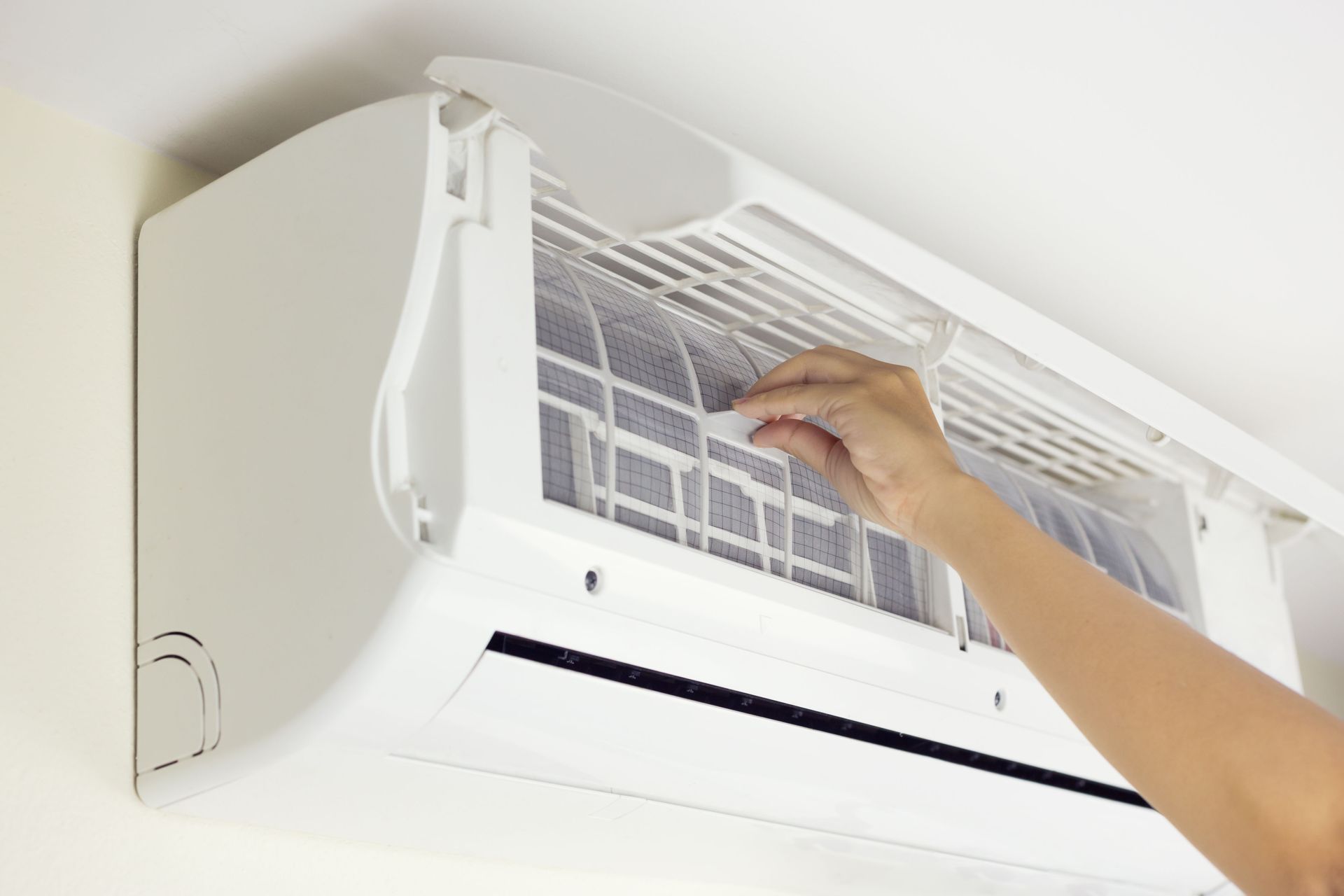
Air filters play an important role in maintaining indoor air quality and supporting efficient heat pump operation. They capture dust, pet hair, and other airborne particles before these contaminants accumulate inside the equipment. Over time, a dirty filter restricts airflow, forcing the system to work harder to circulate conditioned air throughout the home. This additional strain can contribute to higher energy consumption and uneven temperatures between rooms.
Homeowners should check their filters regularly and replace or clean them according to the manufacturer's recommendations. Homes with pets, heavy dust, or frequent system use may require more frequent filter changes. If airflow remains weak after replacing a filter, heat pump repairs may be necessary to identify an underlying mechanical problem. Maintaining a clean filter is a simple step that supports consistent airflow and helps the system operate as intended.
Keeping Outdoor Units Clear
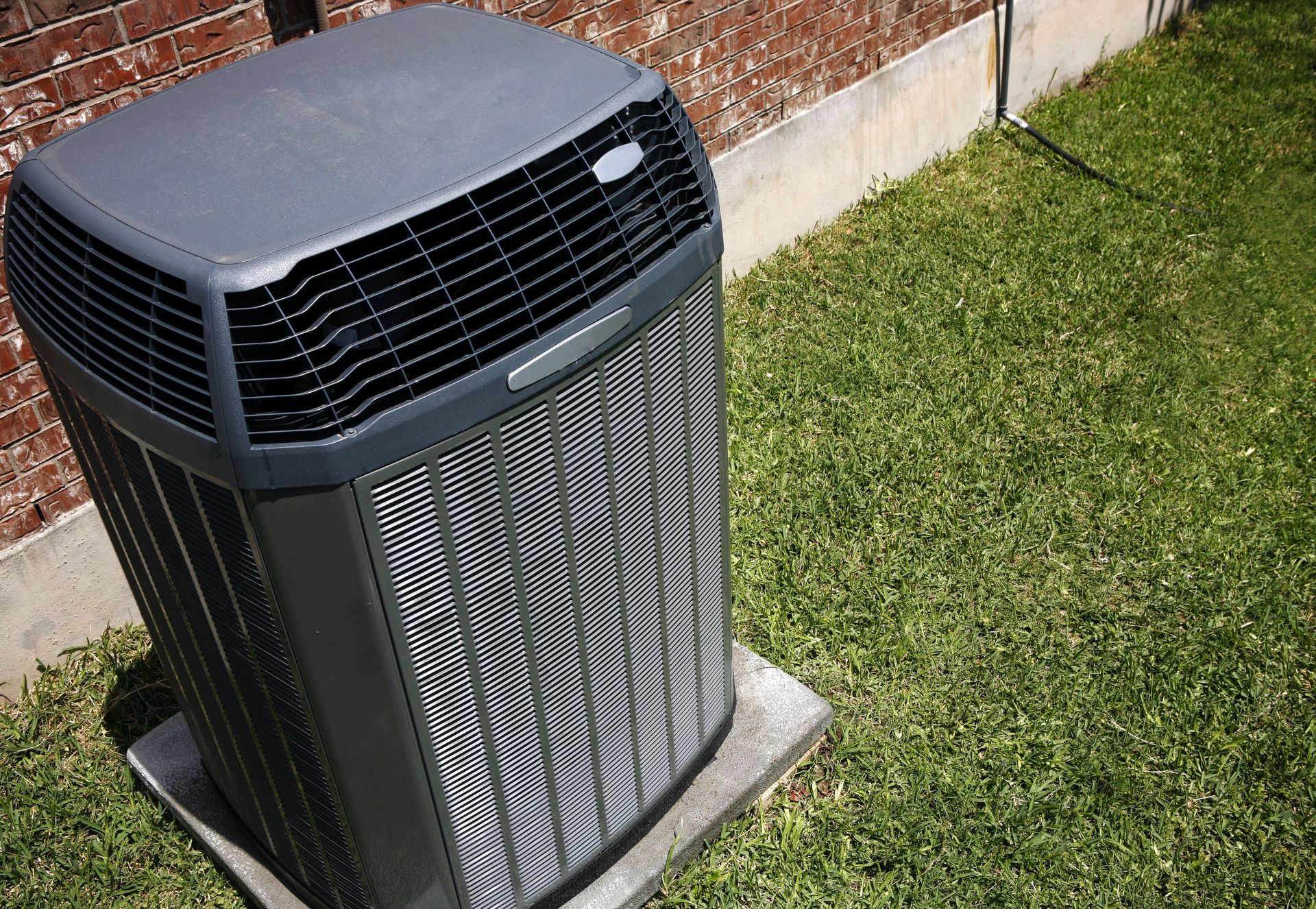
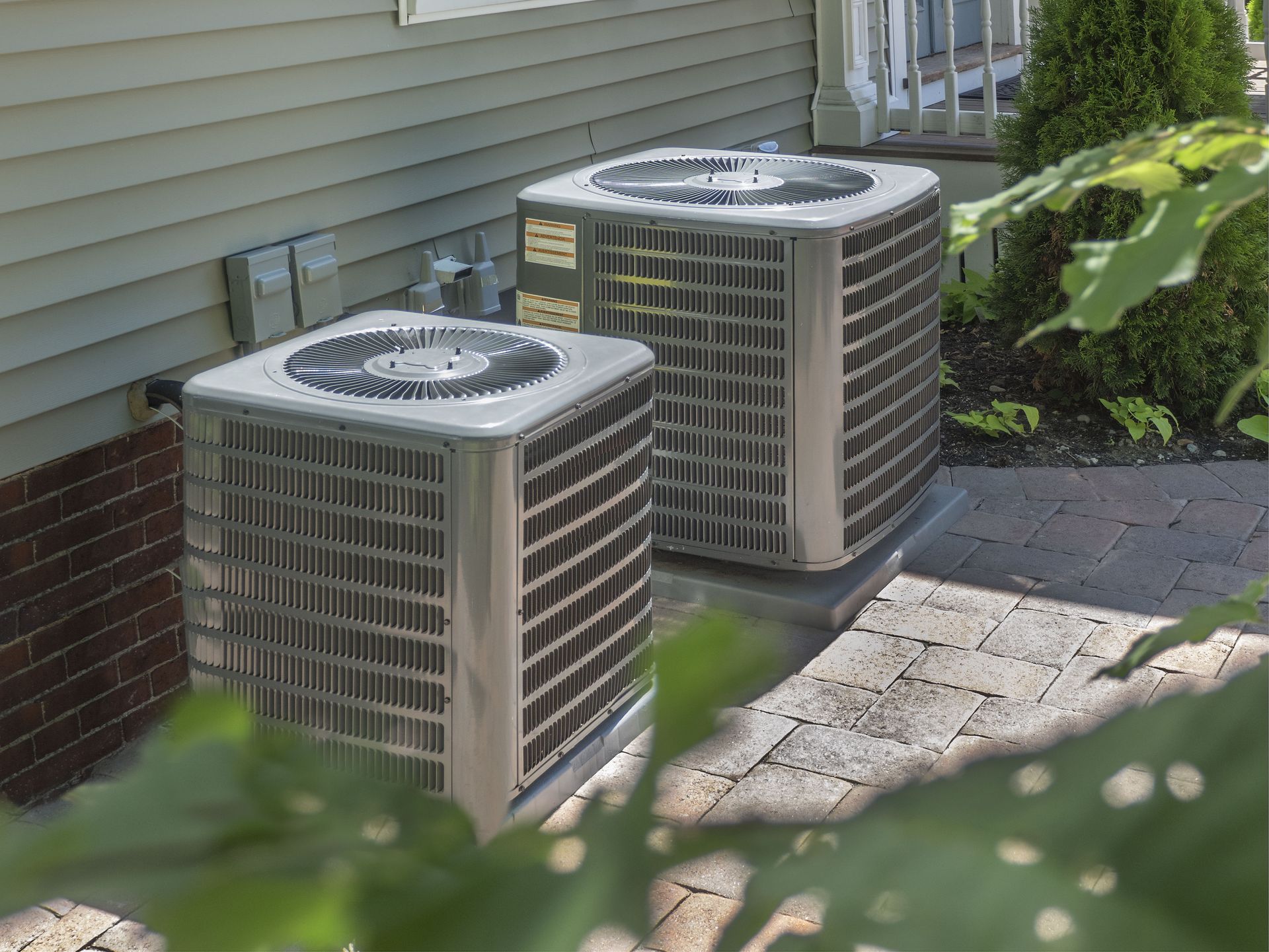
The outdoor unit needs adequate airflow to transfer heat efficiently between the refrigerant and the surrounding air. Leaves, grass clippings, dirt, and other debris can accumulate around the unit and interfere with this process. Homeowners should periodically inspect the surrounding area and remove loose debris without damaging the equipment. Plants, shrubs, and decorative objects should be kept far enough away to allow sufficient airflow and provide access for maintenance. It is also important to avoid stacking items against the unit or covering it in a way that restricts ventilation. If the outdoor coil becomes heavily soiled, a qualified HVAC professional can determine whether cleaning is needed.
Persistent ice buildup, unusual noises, or reduced heating performance may indicate a problem that requires heat pump repairs. Keeping the outdoor area clear helps the system exchange heat effectively and reduces avoidable operating strain.
Setting Thermostat Temperatures Wisely
Thermostat settings influence how often a heat pump operates and how much energy it consumes. Large, frequent temperature adjustments can cause unnecessary changes in system demand, particularly when occupants are trying to compensate for uneven indoor temperatures. Choosing a comfortable, consistent setting can help the equipment maintain the desired conditions without excessive adjustments. A programmable or smart thermostat may also help homeowners manage temperatures according to their daily schedules. For example, settings can be adjusted when the household is asleep or away, provided the changes remain appropriate for the equipment and weather conditions. Homeowners should consult their manufacturer's guidance because recommended settings vary by system and individual comfort needs. If the heat pump cannot maintain the selected temperature, the issue may involve airflow, refrigerant levels, controls, or another component. Professional heat pump repairs can help identify the cause rather than relying on repeated thermostat adjustments.
Scheduling Preventive Maintenance
Routine professional maintenance helps identify developing problems before they lead to major performance issues. During a service visit, an HVAC technician can inspect electrical connections, check system controls, examine coils, and assess overall operation. The technician may also review refrigerant performance and confirm that the equipment is operating according to manufacturer specifications. According to the U.S. Department of Energy, home heating typically accounts for about 29% of a household's utility bill, making it the largest energy expense among home systems. Keeping heating equipment in good condition is therefore an important part of managing household energy use. Maintenance intervals should follow the manufacturer's recommendations and account for local climate and system usage. If an inspection reveals worn or malfunctioning components, timely heat pump repairs can help restore proper operation. Preventive care also gives homeowners an opportunity to discuss unusual sounds, changing energy bills, or comfort concerns before they worsen.
Maintaining Proper Airflow Indoors
Indoor airflow affects how evenly a heat pump distributes conditioned air throughout the home. Blocked supply vents, closed registers, and obstructed return grilles can interfere with circulation and make certain rooms uncomfortable. Furniture, rugs, curtains, and storage items should be arranged so that they do not cover these openings. Homeowners should also avoid assuming that closing multiple vents will automatically improve efficiency because doing so can disrupt the system's intended airflow. If some rooms remain consistently warmer or cooler than others, the cause may involve ductwork, insulation, air leakage, or equipment performance. A qualified technician can assess these conditions and recommend suitable adjustments.
Heat pump repairs may be needed if a blower motor, control, or other component prevents air from circulating properly. Maintaining unobstructed vents and addressing persistent airflow problems helps support more consistent temperatures throughout the house.
Monitoring Unusual Operating Changes
Changes in a heat pump's normal operation can provide early clues that something needs attention. Homeowners may notice unfamiliar noises, frequent cycling, weak airflow, unexpected increases in utility bills, or difficulty maintaining the selected temperature. Some operating sounds and changes are normal, particularly during a defrost cycle in cold weather, so it is important to consider the circumstances. However, persistent or unusual symptoms should not be ignored. Homeowners can record when the issue occurs and whether it affects heating, cooling, or both operating modes. This information may help a technician narrow down the potential cause. Arranging heat pump repairs promptly can prevent certain minor faults from placing additional strain on other components. If the equipment repeatedly trips a breaker, produces a burning smell, or shows signs of electrical trouble, switch it off when safe and seek qualified assistance.
Improving Home Insulation
A heat pump can operate efficiently only if the home retains conditioned air reasonably well. Drafty windows, poorly sealed doors, insufficient attic insulation, and gaps around utility penetrations can allow heat to escape during winter.
These problems increase the amount of heating the system must provide to maintain comfortable indoor temperatures. Homeowners can reduce unnecessary heat loss by sealing appropriate gaps, improving insulation where needed, and addressing obvious drafts. Window coverings may also help manage heat transfer, depending on the season and window exposure. A professional energy assessment can identify areas where improvements are likely to make the greatest difference. Although insulation work does not replace mechanical maintenance, it can reduce the demand placed on the heat pump. If the system continues to struggle after air leaks are addressed, heat pump repairs may be required to resolve a separate equipment issue.
Maintaining an efficient heat pump involves more than adjusting the thermostat or changing an air filter. Clear airflow, appropriate insulation, preventive maintenance, and prompt attention to unusual operating changes all contribute to dependable performance. Homeowners can handle simple tasks such as checking filters and removing loose debris, while electrical, refrigerant, and mechanical concerns should be assessed by qualified HVAC professionals.
Taking action early can help limit unnecessary strain and reduce the risk of unexpected equipment failures. Whether your heat pump needs routine maintenance or has developed a performance problem, professional guidance can help determine the appropriate next step. Contact AmBient Heating and Cooling today to discuss your heat pump's performance and schedule the service needed to maintain reliable, efficient home comfort.