October 4, 2026
In recent years, heat pumps have gained popularity as a highly efficient alternative to traditional heating and cooling systems. Consulting certified heat pump installers helps homeowners select the right unit capacity for challenging local weather patterns. However, as with all technologies, they have their limitations, especially when it comes to operating in extreme temperatures. This article explores why heat pumps struggle under such conditions and offers insights into how these challenges can be managed. Partnering with skilled heat pump installers ensures that your system receives accurate sizing, proper placement, and long-term support.
Understanding the Basics of How Heat Pumps Work
Examining the Principle of Heat Transfer
The basic principle behind heat pump operation is the transfer of heat rather than the generation of heat. Heat pumps move thermal energy from one place to another, making them versatile for both heating and cooling. In heating mode, they extract heat from outside air and transfer it indoors. In cooling mode, they reverse the process, extracting heat from indoor air and discharging it outside. By exploiting the principles of thermodynamics, heat pumps can provide efficient climate control in many environments.
Identifying Components of a Heat Pump System
A heat pump system mainly consists of four key components: the evaporator, condenser, compressor, and expansion valve. The evaporator absorbs heat from the source (air, ground, or water) and turns the refrigerant into a gas. The compressor then pressurizes the gas, increasing its temperature. The condenser releases the heat absorbed into the desired space, turning the refrigerant back into a liquid form. Finally, the expansion valve reduces the pressure of the refrigerant, making it ready to absorb heat again.
Analyzing Energy Efficiency Factors
The efficiency of a heat pump is determined by its Coefficient of Performance (COP), which measures the ratio of heating or cooling provided to the energy consumed. Climate conditions and the pump's operational environment considerably affect this efficiency. For instance, a heat pump's COP decreases when the temperature difference between the source and sink becomes larger. However, compared to traditional HVAC systems, heat pumps generally consume much less energy. Experienced heat pump installers often emphasize this inherent efficiency as a primary benefit, which explains why, according to Leads4build.com, heat pump sales increased 115% while gas furnace sales decreased 11% over a 20-year trend.
Analyzing the Impact of Cold Weather on Heat Pump Efficiency
Evaluating Lower Heat Absorption from Outside Air
As temperatures dip, air-source heat pumps face difficulty absorbing enough heat from the frigid air outside. This reduced heat absorption is a significant factor causing a drop in their efficiency. In extremely cold weather, the heat extracted from the air may not suffice to heat a home comfortably. Consequently, auxiliary heating systems often kick in to ensure comfort, defeating the efficiency benefits offered by heat pumps. Licensed heat pump installers evaluate these localized temperature dips to recommend cold-climate variable-speed models.
Managing Increased Defrosting Cycle Frequency
During cold spells, the outdoor unit of a heat pump may accumulate frost, which necessitates periodic defrosting cycles. Frequent defrosting cycles are a challenge to efficiency, as they temporarily switch the heat pump from heating mode to cooling mode to melt ice. This process temporarily reduces the amount of warm air supplied indoors. Prolonged frost accumulation can deteriorate the system, necessitating more frequent maintenance. Thus, efficiency losses from defrosting are a significant concern for heat pump performance in cold climates.
Assessing Performance Drop at Sub-Zero Temperatures
Heat pumps face their most rigorous test in sub-zero temperatures. At these levels, heat extraction from the surrounding air becomes extremely energetically costly. Heat pumps may require significant energy input just to maintain their operation, undercutting the cost-effective nature traditionally associated with their use. In extreme cases, traditional heaters are employed as supplements, which reflects on the inadequacy of heat pumps in severe cold. Consulting local heat pump installers helps homeowners decide if dual-fuel hybrid options are necessary for sub-zero regions.
Exploring Challenges of Using Heat Pumps in Hot Climates
Reviewing Heat Pump Limitations in High Ambient Temperatures
In hot climates, heat pumps face the challenge of efficiently rejecting heat to an already warm environment. The thermal gradient between the indoor environment and the hot outside reduces, impacting the system's cooling efficiency. As temperatures soar, heat pumps may struggle to maintain comfortable indoor conditions. This heat rejection inefficiency can lead to increased operating costs and reduced comfort. Thus, in areas with extended heat waves, professional heat pump installers might integrate additional cooling support or specialized multi-stage compressors.
Addressing Decreased Cooling Efficiency
Hot climates can lead to decreased cooling efficiency as the heat pump works harder to remove heat from indoor spaces. Elevated temperatures make it increasingly difficult for the refrigerant to condense and release heat effectively. Consequently, the heat pump experiences a decrease in its Coefficient of Performance (COP), translating into more energy consumed for less cooling output. This inefficiency affects not only energy consumption but also customer satisfaction.
Preventing Overworking the Compressor
In extremely hot temperatures, the compressor might be overworked, leading to potential breakdowns and reduced lifespan of the system. Continuous operation in such conditions subjects the compressor to significant stress, which could lead to mechanical failures over time. The cost of repairing or replacing compressors can be high, making this a critical consideration in regions with intense heat. Regularly scheduled maintenance checks perform vital line checks and ensure everything remains in optimal working condition. Indeed, sufficient investment in preventive care from qualified heat pump installers can ultimately reduce long-term costs.
Implementing Maintenance and Operational Tips for Heat Pumps
Scheduling Regular System Check-Ups
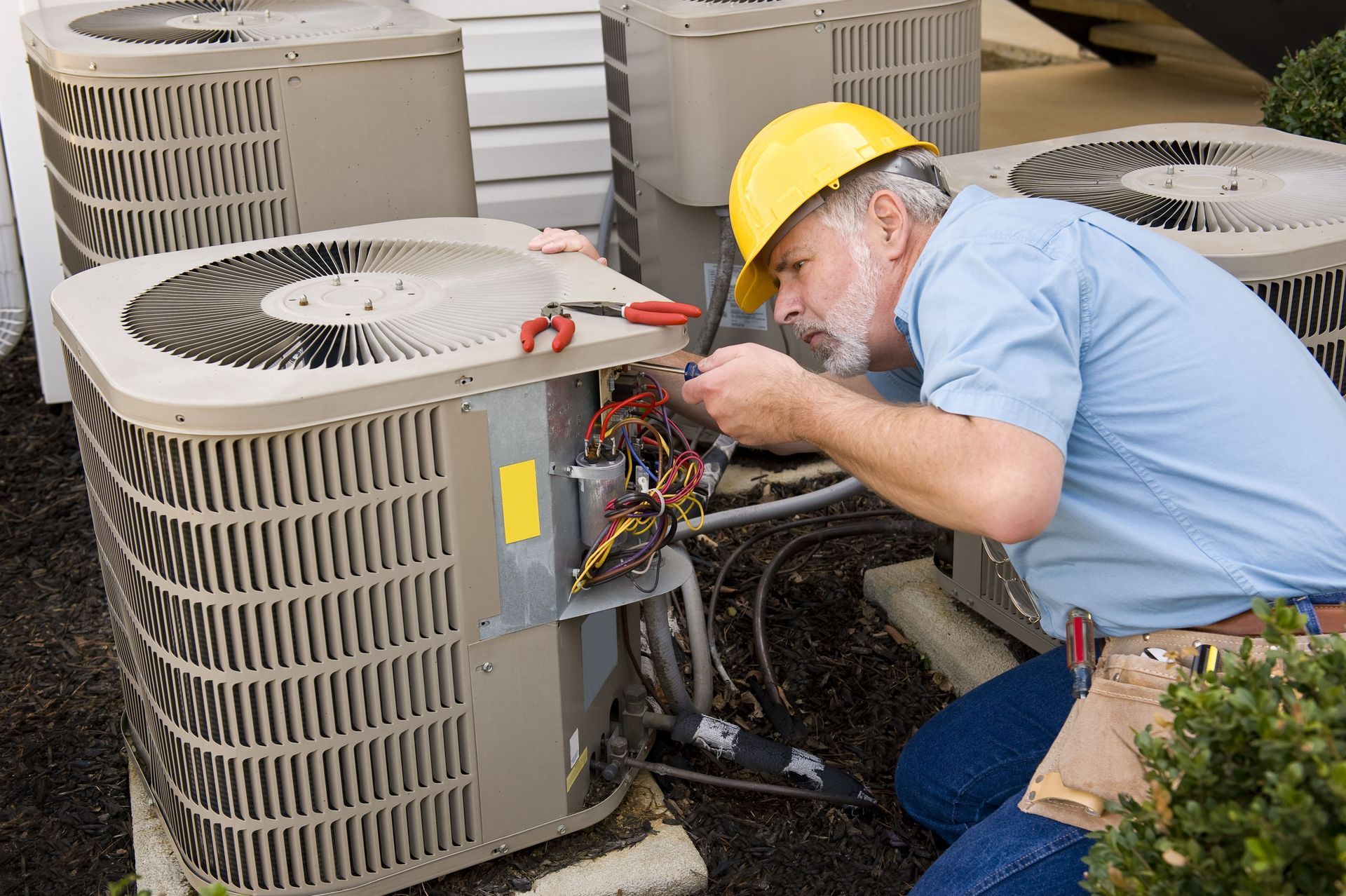
Routine maintenance check-ups are crucial for ensuring the long-term performance and efficiency of heat pumps. These check-ups should ideally be performed by trained heat pump installers who can thoroughly inspect and service each mechanical component. Regularly scheduled maintenance helps identify potential issues early, preventing costly repairs or system failures. Ensuring that refrigerant levels are optimal and that all moving parts are well-lubricated are key tasks. Such proactive care extends the operational life of the heat pump and ensures that it runs efficiently, even under challenging conditions.
Installing Proper Insulation and Sealing
Proper insulation and sealing of living spaces contribute significantly to the efficiency of heat pumps. Insulation helps maintain a stable indoor environment, reducing the workload on the heat pump. Well-sealed windows and doors prevent heat exchange with the outside, enhancing insulation performance. Simple measures, such as using weatherstripping or sealing cracks, can substantially impact energy use. In this way, adequate insulation and sealing are fundamental to realizing the full potential of heat pump technology.
Optimizing Thermostat Settings
Optimizing thermostat settings is essential for getting the best performance out of a heat pump. Programmable thermostats allow users to adjust indoor temperatures according to different periods and their living habits. By minimizing temperature fluctuations, thermostats can help maintain comfort while reducing energy consumption. Smart thermostats go further, learning user preferences and adjusting automatically. Correct thermostat management enhances the energy efficiency of a heat pump system, yielding immediate cost savings and comfort benefits.
Heat pumps provide an efficient and eco-friendly option for heating and cooling, yet they face challenges in extreme temperatures. By understanding these limitations and implementing technological improvements, homeowners can optimize their systems for better performance in diverse climates. As innovations continue, the future of heat pump technology in extreme temperatures looks promising.
Ensure your home maintains ideal efficiency and year-round comfort by contacting AmBient Heating and Cooling today to consult with our expert heat pump installers!