October 12, 2026
As winter approaches, preparing your home for dropping temperatures becomes an essential task for every property owner. Your furnace serves as the heart of your home’s winter comfort, working continuously to maintain a warm, safe, and inviting indoor environment. However, after sitting idle through the warmer months, a furnace requires careful attention to ensure all mechanical and electrical components are functioning correctly. Neglecting pre-winter system checks can lead to unexpected breakdowns during extreme cold snaps, increased energy bills, and potential safety risks. Taking proactive steps to evaluate your furnace before peak winter arrives ensures steady performance, lower operational costs, and total peace of mind for your family all season long.
Evaluating Household Heating Readiness Before Cold Weather Arrives
Preparing your living space for the approaching cold weather requires careful evaluation of your central heating infrastructure. As temperatures begin to plunge, your home heating equipment undergoes continuous operational strain to maintain consistent indoor warmth and comfort. Taking time to assess system readiness early prevents minor issues from compounding into expensive repairs later. Ignoring seasonal maintenance needs often leads to unexpected mechanical stress, compromised energy efficiency, and sudden component failure during severe freezing events. Ensuring that your unit is fully prepared for winter demands proactive attention to system diagnostics, air quality controls, and safety mechanisms. Property owners who take time to inspect their heating systems before peak winter arrives enjoy peace of mind, reliable warmth, and lower seasonal utility expenses.
Inspecting Essential Components to Prevent Seasonal Equipment Failures
A thorough pre-winter evaluation begins with a detailed visual and mechanical inspection of internal furnace components. Over months of inactivity, dust, debris, and corrosion can accumulate on critical assemblies such as igniters, flame sensors, and blower motors. When these components struggle against buildup, the overall system must work significantly harder to raise ambient indoor temperatures. Scheduling a seasonal evaluation with a specialist offering local furnace repair allows a trained technician to clean burner assemblies, test electrical connections, and lubricate moving parts. Catching minor physical wear before firing up the unit for the season prevents unexpected breakdowns when cold weather hits hard.
Replacing Air Filters to Maintain Optimal Indoor Air Circulation
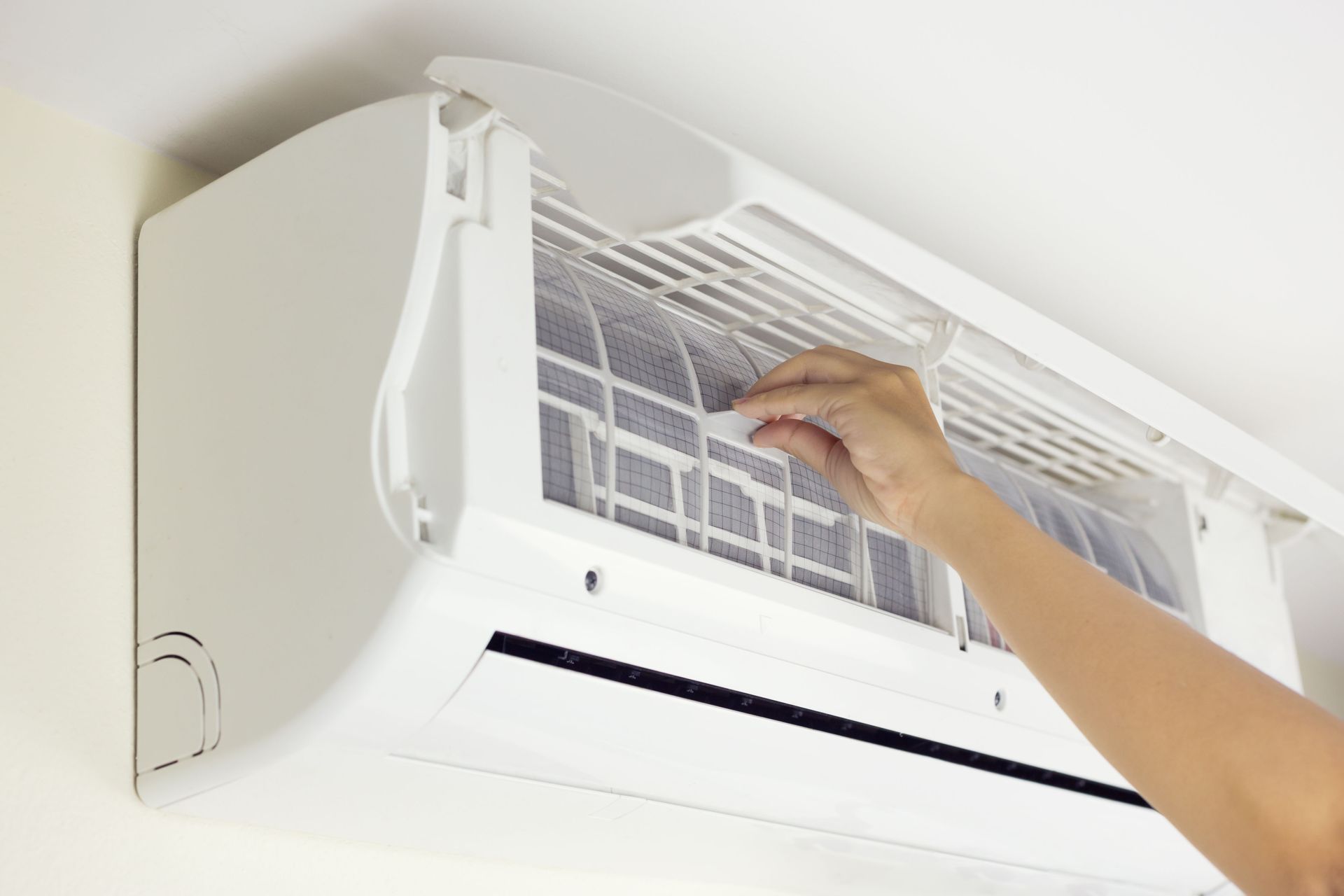
Restricted airflow stands as one of the primary causes of premature heating system failures during the winter months. Clogged air filters force the blower motor to draw excess amperage, causing internal components to overheat and trigger safety limit switches. Furthermore, dirty filters restrict warm air distribution throughout your living spaces, leading to uneven room temperatures and poor indoor air quality. Regularly replacing clogged air filters also extends the overall working lifespan of your blower motor. Arranging for local furnace repair service when you notice airflow restrictions ensures that technicians clear internal obstructions, check duct pressure, and replace filters with proper efficiency ratings. Maintaining unrestricted airflow keeps your furnace running smoothly and protects sensitive electronic controls from heat damage.
Checking Thermostat Calibration for Accurate Temperature Management
Your thermostat acts as the command center for your entire heating infrastructure, regulating when and how long your furnace operates. If a thermostat suffers from improper calibration, loose wiring, or aging internal sensors, it sends inaccurate signals to the heating control board. This miscommunication leads to short-cycling, where the furnace turns on and off rapidly without fully warming your home. Seeking local furnace repair when temperature readings fluctuate unexpectedly helps restore proper communication between your thermostat and heating unit. Proper control calibration ensures your heating system responds accurately to temperature changes while minimizing unnecessary burner cycles.
Managing Energy Consumption to Lower Monthly Heating Expenses
Heating costs comprise a substantial portion of any household's overall winter utility expenditures. According to Webinar Care, your heating system can account for up to 42% of your monthly energy usage during the winter months. Operating an inefficient, unserviced furnace drastically inflates these costs, as worn components consume extra fuel or electricity to achieve target temperatures. Addressing minor mechanical inefficiencies directly reduces wasted energy and keeps heating costs predictable. Requesting a targeted local furnace repair restores optimal fuel-to-air ratios and combustion efficiency, ensuring that every unit of energy translates directly into household heat. By optimizing combustion rates and system calibration ahead of time, homeowners effectively curb excessive winter fuel consumption and stabilize monthly household bills.
Testing Safety Switches and Flue Vents to Protect Household Health
Modern gas and electric furnaces rely on multiple safety features to protect your household from severe operational hazards. Rollout switches, pressure sensors, and draft inductors monitor internal vessel conditions to ensure harmful combustion gases leave your home safely. Blocked chimneys, cracked heat exchangers, or malfunctioning safety sensors pose serious carbon monoxide exposure risks to occupants. Professional local furnace repair includes rigorous safety testing of all limit controls, gas valves, and venting pipes. Verifying that these safety boundaries function properly gives property owners total confidence that their heating equipment remains entirely safe for continuous winter operation.
Identifying Unusual Noises and Smells During Initial Startup
When powering up your furnace for the first time each season, paying close attention to sensory cues can reveal hidden mechanical problems. A faint burning dust smell during the first few minutes of operation is normal, but persistent chemical odors or burning plastic smells signal electrical overheating or insulation damage. Similarly, loud booming sounds upon ignition point to delayed gas ignition, while squealing belts indicate worn blower bearings. Addressing abnormal sounds right away prevents minor mechanical wear from turning into complete component failure. Calling for immediate local furnace repair upon noticing strange noises or persistent odors isolates mechanical defects before they cause catastrophic system failure. Prompt intervention keeps minor component noise from escalating into complete equipment replacement.
Balancing Heat Distribution Throughout Every Room in Your Home
Inconsistent heating across different zones or rooms indicates underlying distribution flaws within your heating system. Cold spots often stem from misaligned duct dampers, leaking air ducts, or inadequate fan speeds that fail to push warm air to remote corners of the house. Properly balanced airflow creates a consistently comfortable environment across every floor of your residence. Scheduling a consultation for local furnace repair enables HVAC specialists to balance airflow, seal loose duct joints, and adjust fan blower speeds for uniform heat delivery. Equalizing air pressure throughout your living space eliminates cold drafts, improves overall home comfort, and prevents specific zones from overworking the furnace.
Securing Professional Maintenance for Dependable Winter Comfort
Preparing your furnace for winter requires more than simple DIY troubleshooting; it demands professional technical expertise to handle high-voltage electrical circuits and gas combustion assemblies. Relying on certified technicians ensures that diagnostic checks align with manufacturer standards and local building codes. Investing in timely local furnace repair before peak freezing weather arrives guarantees reliable heating performance, extends equipment lifespan, and protects your home budget. Partnering with experienced local HVAC professionals keeps your living environment warm, safe, and welcoming through every winter storm.
Getting your furnace winter-ready is an essential investment in your home's comfort, efficiency, and safety. By addressing airflow obstructions, calibrating controls, and resolving minor mechanical issues ahead of time, you ensure your heating system operates smoothly through the coldest days of the year. Proactive maintenance eliminates the stress of sudden cold-weather breakdowns while keeping your seasonal energy bills under control. Contact AmBient Heating and Cooling today to schedule your comprehensive pre-winter furnace inspection and keep your home warm and cozy all season long!